



- why electricity bill is so high in Pakistan
- half of electricity bill is not electricity
- NEPRA capacity charges 2026
- IPP payments Pakistan power sector
- electricity tariff breakdown Pakistan
- fixed charges electricity bill Pakistan 2026
- circular debt surcharge electricity bill
- power purchase price Pakistan 2026
- take or pay contracts Pakistan IPPs
The Hidden Cost That’s Breaking Pakistani Households
Every month, when millions of Pakistanis open their electricity bills, they feel a familiar sting of shock. What they see is a number far higher than the electricity they actually consumed. But here is the painful truth that most people never realize: nearly two-thirds of your electricity bill has nothing to do with how much power you used.
Instead, you are paying for power plants simply existing. Whether they run or not. Whether you need electricity or not.
This hidden cost is called capacity payments – and it is silently draining the wallets of every single electricity consumer in Pakistan.
What Are Capacity Payments? (A Simple Explanation)
Let me explain this in plain words.
Imagine you hire a taxi to wait outside your house all day. Even if you never take a single ride, you still have to pay the driver for just sitting there. Why? Because he kept himself available for you.
That is exactly how Pakistan’s electricity system works.
The government signs long-term contracts with private power producers (called IPPs – Independent Power Producers). These agreements guarantee that even if the country does not need electricity from a particular plant, the plant owner still gets paid. And this payment is not cheap.
According to an official NEPRA performance evaluation report, during the fiscal year 2024-25, Pakistan’s power sector paid a staggering Rs2.94 trillion for electricity. Out of this enormous amount, 61% went straight to capacity payments – fixed charges paid to producers regardless of whether their plants actually generated any electricity .
To put this in per-unit terms that affect your monthly bill: capacity payments cost consumers an average of Rs14.3 per kilowatt-hour, while the actual energy you consumed cost only Rs9.0 per unit .
Yes, you read that correctly. You pay more for power plants doing nothing than for the electricity you actually use.
How Bad Is the Problem? Let Me Show You the Numbers
| Component | Cost Per Unit | Percentage of Total |
|---|---|---|
| Capacity Payments (Fixed Charges) | Rs14.3 | 61% |
| Energy Cost (Actual Electricity Used) | Rs9.0 | 39% |
Source: NEPRA Performance Evaluation Report FY2024-25
For the calendar year 2026, the situation is not improving. According to NEPRA’s latest approval, the estimated fixed capacity charges included in the power purchase price now stand at Rs17.19 for every unit.This means capacity payments will now make up approximately 68% of the total projected power purchase price, while actual energy cost will account for only 32% .
Let that sink in. Sixty-eight percent of what the government pays for electricity has nothing to do with how much power is actually generated or consumed.
And who pays for this? You do. Every single month. On every single bill.
Why Are Capacity Payments So High?
There are three main reasons why Pakistani consumers are trapped under this crushing burden.
1. Decades-Old Contracts with Power Producers
In the early 2000s, Pakistan faced a severe power shortage. To attract private investment, the government signed what are called “take-or-pay” contracts with Independent Power Producers. Under these agreements, the government promised to pay for a certain amount of electricity – whether the grid needed it or not.
These contracts were signed with good intentions. But now, Pakistan has more electricity generation capacity than it actually needs. Yet the payments continue. And they will continue for years because these contracts run for 20 to 30 years.
2. Plants Run at Half Capacity or Less
Here is another shocking fact. According to NEPRA’s report, thermal power plants in Pakistan operated at an average utilization rate of only 42.5% during FY2024-25 . Renewable energy facilities did even worse, averaging just 36.6%.
Think about what this means. The country is paying full price for power plants to be available, but these plants are actually running less than half the time. The inefficiency is staggering.
To make matters worse, when plants operate below full capacity, the system incurs something called Part Load Adjustment Charges (PLAC). This added another Rs44.6 billion in unnecessary costs last year alone .
3. Government Still Negotiating with Chinese IPPs
The government has successfully renegotiated settlements with many local IPPs to reduce the circular debt burden. However, Chinese Independent Power Producers operating under the China-Pakistan Economic Corridor (CPEC) have not yet agreed to similar terms.
The Central Power Purchasing Agency (CPPA-G) currently owes more than Rs560 billion (approximately $2 billion)to Chinese IPPs . The government has arranged a Rs1.225 trillion bank facility to help reduce circular debt, but Chinese producers are resisting discounted settlements. Until these negotiations conclude, capacity payments will remain painfully high.
The June 2026 Relief – But Don’t Celebrate Yet
On May 18, 2026, the Power Division announced that electricity prices will not increase in June . Consumers were expecting a rise of Rs5 to Rs6 per unit due to rising global fuel costs and RLNG supply disruptions. The government successfully capped the monthly fuel adjustment at just Rs1.73 per unit.
Additionally, quarterly tariff adjustments provided relief of Rs1.93 per unit, and consumers received refunds worth Rs65 billion from the first quarter .
This is genuinely good news. For one month, bills will not go up.
However, here is the reality check: This relief does not address the root problem.The capacity payments – that massive 61-68% chunk of your bill – remain unchanged. The government simply managed to neutralize one part of the cost (fuel adjustments) through administrative measures. But the fixed capacity charges are still there. And they are still enormous.
The Real Breakdown of What You Actually Pay
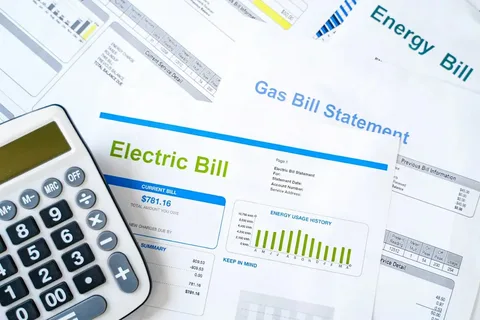
When you look at your electricity bill, you are not just paying for capacity charges and energy costs. The government adds multiple layers of taxes and surcharges that make the final bill even more painful.
According to official documents, electricity consumers pay approximately:
| Component | Cost Per Unit |
|---|---|
| Capacity Payments | Rs15.69 |
| Direct Taxes (GST, income tax, etc.) | Rs8.00 |
| Circular Debt Surcharge | Rs3.23 |
The General Sales Tax alone generates nearly Rs708 billion annually from electricity consumers . And the circular debt surcharge – a levy specifically designed to pay down the power sector’s accumulated debt – has already cost consumers Rs233 billion this year alone .
Here is the complete picture of what a typical electricity bill contains:
- Energy Charges – The actual cost of the electricity you used (about 32-39% of total)
- Capacity Payments – Fixed charges for power plants being available (about 61-68% of total)
- Taxes (GST, Income Tax, etc.) – Government levies added on top
- Circular Debt Surcharge – Extra charge to pay off past unpaid bills
- Fuel Adjustment Charges – Monthly adjustments for fuel price changes
This is why your bill is so high even when you carefully conserve electricity. You cannot conserve your way out of capacity payments. They are fixed. They are mandatory. And they are buried inside your bill whether you like it or not.
What Is Being Done to Fix This?
The government is aware of the problem, and several steps are underway:
- Renegotiations with IPPs :
The government has already settled with many local power producers at discounted rates. Discussions with Chinese CPEC power plants are ongoing .
- Circular Debt Reduction Plan:
A Rs1.225 trillion bank facility has been arranged to reduce the circular debt stock, which currently stands at around Rs1.8 trillion. Settlements with several IPPs are expected to be completed by end-June 2026 .
- IMF Oversight:
The International Monetary Fund has capped Pakistan’s FY27 power subsidy at Rs830 billion (0.6% of GDP) and is pushing for continued tariff reforms and privatization of distribution companies .
However, these are long-term solutions. In the short term, consumers will continue to bear the burden of past decisions.
CONCLUSION :
The statement is brutally simple but completely accurate: half your electricity bill isn’t electricity – it’s capacity payments.
The government can offer monthly relief, as they have done for June 2026. They can cap fuel adjustments and provide quarterly refunds. These are helpful gestures. But until Pakistan fundamentally restructures its power purchase agreements, renegotiates with all IPPs (including Chinese producers), and reduces the massive fixed costs built into the system, consumers will remain trapped.
Every time you open your electricity bill, remember: You are not just paying for the lights you turned on. You are paying for decades of contracts, idle power plants, accumulated debt, and a system designed when electricity was scarce – not when there is too much capacity.
FREQUENTLY ASKED QUESTIONS (FAQs)
1. What exactly are capacity payments in electricity bills?
Capacity payments are fixed charges paid to power producers simply for keeping their plants available to generate electricity. These payments continue even if the plant never actually produces any power. In Pakistan, these payments make up approximately 61-68% of the total power purchase cost, meaning you pay more for plants doing nothing than for the actual electricity you consume.
2. Why do I pay capacity charges even when I use less electricity?
Because capacity payments are fixed costs built into the system, not variable costs tied to your consumption. The government signed “take-or-pay” contracts with power producers decades ago. These contracts guarantee payments regardless of whether electricity is needed or used. Consequently, even if you reduce your usage to zero, you would still pay capacity charges.
3. Will electricity prices increase in June 2026?
No. According to the Power Division’s announcement on May 18, 2026, electricity prices will not increase in June 2026. The government successfully capped monthly fuel adjustment at Rs1.73 per unit and provided quarterly relief of Rs1.93 per unit, preventing the expected Rs5-6 per unit increase .
4. How much of my bill goes to capacity payments?
Based on official NEPRA data, capacity payments cost consumers approximately Rs14.3 per unit, while actual energy costs are Rs9.0 per unit. This means roughly 61% of your power purchase cost goes to capacity payments, and only 39% goes to the electricity you actually used .