



- UAE leaves OPEC
- UAE OPEC departure consequences
- What happens when UAE leaves OPEC
- UAE OPEC exit geopolitical implications
- Gulf solidarity collapse 2026
- UAE independent oil production
- UAE leaves OPEC Trump diplomatic favorite
- UAE OPEC withdrawal impact on oil prices
- UAE Fujairah pipeline bypass Hormuz
A Historic Exit That Changes Everything :
For nearly 60 years, the UAE was one of OPEC’s most reliable members. That era just ended. On April 28, 2026, the UAE announced it is leaving OPEC and OPEC+. The withdrawal becomes official on May 1, 2026. A regional war is raging. Global oil supplies are already under pressure. So what happens now? Let me explain the most important consequences of this shocking move.
OPEC Becomes Much Weaker :
This is the most obvious outcome. OPEC just lost one of its biggest players.
The UAE was the third-largest producer in OPEC. It accounted for about 12% of the group’s total output. Losing that volume is a serious blow to the organization’s influence.
However, the harm goes beyond simple production statistics. The UAE had something most other OPEC members lacked: room to grow.
According to energy analysts, the UAE and Saudi Arabia together controlled most of OPEC’s spare production capacity. This spare capacity is what gives OPEC its power to calm markets during supply disruptions. With the UAE gone, that power is significantly reduced.
A Reuters analysis summed it up clearly. The OPEC we have known for decades may no longer exist in its previous form.
Saudi Arabia Stands Alone :
Saudi Arabia and the UAE were OPEC’s closest allies. That alliance is now broken.
The two Gulf nations see the oil market very differently today. Saudi Arabia needs high oil prices. The kingdom requires prices near $100 per barrel to balance its national budget. That means keeping supply tight.
TheUAE has a different view. Its economy is more diversified. Non-oil sectors now make up about 78% of its GDP. Abu Dhabi cares less about high prices and more about selling its oil before the world moves away from fossil fuels.
These competing goals have caused tension for years. Back in 2021, the UAE publicly fought with Saudi Arabia over production quotas. The Emirati energy minister called the OPEC+ deal unrealistic and completely unfair.
Now Saudi Arabia must carry OPEC on its own shoulders. One analyst told Al Jazeera that losing the UAE removes a critical support pillar. Riyadh will have to take on more responsibility for keeping oil prices stable. That is a heavy burden for any single country.
Oil Prices Could Eventually Drop :
For regular drivers and consumers, this might be good news in the long run.
The UAE currently produces about 3.2 million barrels per day under OPEC quotas. But its actual production capacity is much higher. The country can produce close to 5 million barrels per day. It plans to reach that target by 2027.
That means the UAE has roughly 1.8 million barrels per day of unused capacity. Under OPEC, that oil stayed in the ground. Without OPEC, that oil can reach the global market.
Matt Smith, a chief oil analyst at Kpler, explained this clearly. He said that if the UAE ramps up to 5 million barrels per day, a large volume of new crude supply will enter the market. That will undoubtedly put downward pressure on prices.
However, do not expect prices to crash tomorrow. The Strait of Hormuz remains largely blocked due to the ongoing war. Even if the UAE wants to pump more oil, shipping it out is still very difficult right now.
Once the war ends, that is when the real price pressure will begin.
The Fujairah Pipeline Becomes a Huge Advantage :
The UAE has something no other Gulf producer has. It is called the Habshan–Fujairah pipeline. This pipeline runs about 400 kilometers from Abu Dhabi’s oil fields to the port of Fujairah. Fujairah sits on the Gulf of Oman, completely outside the dangerous Strait of Hormuz. The pipeline can carry about 1.5 million barrels of oil per day.
Why does this matter so much? When Iran blocked the Strait of Hormuz in March 2026, most Gulf producers were stuck. Their oil could not leave the region. The UAE simply rerouted its oil to Fujairah and kept exporting. This pipeline turned a big problem into a competitive weapon. No other OPEC member has an alternative export route of this size. The pipeline was completed in 2012 at a cost of about $4 billion. Today, that investment is paying off in a big way.
From Fujairah, oil tankers sail directly into the open Arabian Sea. They completely skip the Hormuz chokepoint where 20% of the world’s seaborne oil normally passes. That is a massive strategic advantage.
The United States Gains More Influence :
The UAE’s departure from OPEC strengthens America’s position in the Gulf region. President Donald Trump has long criticized OPEC. In a 2018 speech to the United Nations, he accused the organization of ripping off the rest of the world with high oil prices.
According to The Guardian newspaper, the UAE’s exit is seen as further proof of its status as Trump’s diplomatic favorite in the region. Anwar Gargash, a diplomatic advisor to the UAE president, made this strategy very clear. He said that America’s role in the Gulf today is more important than ever. It is not just a military presence. It is a defense system, political support, and a key participant in economic affairs.
The message is simple. The UAE is choosing Washington over Riyadh. And it is using its oil policy to send that message.
Oil Markets Become More Volatile :
This might be the most important long-term consequence of all. With OPEC weakened, the global oil market loses its main stabilizing mechanism. The era of predictable oil prices may be ending.
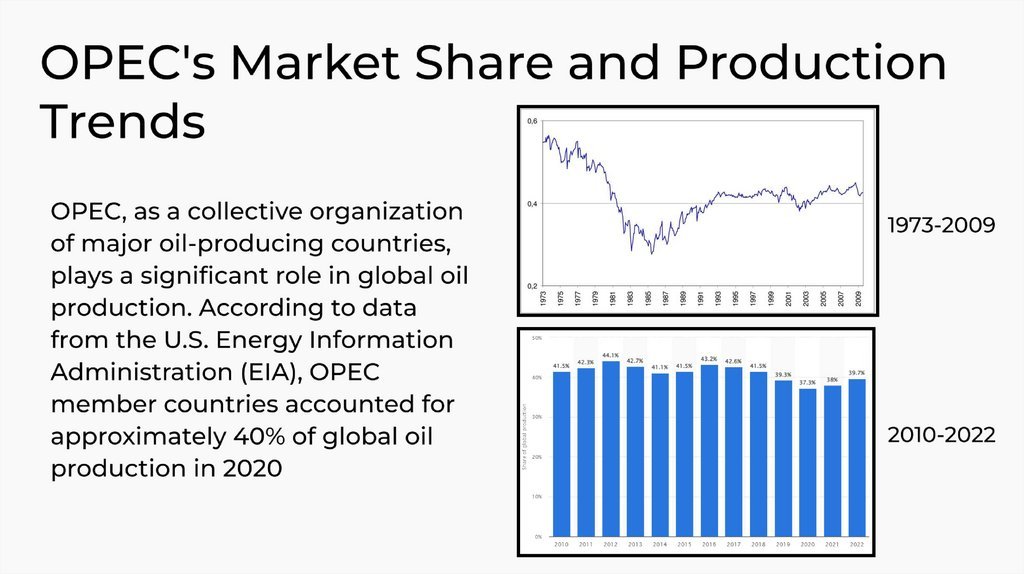
According to analysts at CNBC, OPEC’s share of global oil output had already fallen to 44% in March 2026. That was down from about 48% just one month earlier. The UAE’s departure will push that number even lower.
Could Other Countries Leave Too?
This is the question everyone in the energy industry is asking. Analysts believe other countries might follow the UAE’s lead. Iraq has long clashed with OPEC over production quotas. Like the UAE, Baghdad wants to pump more oil to fund reconstruction projects.
Venezuela is another possible defector. The country is desperate for cash and is unlikely to respect any production limits. Kuwait is also watching the situation closely. If other countries start leaving, OPEC could fall apart completely. A Reuters analysis warns that the UAE’s exit could create a domino effect. Once that door opens, others may walk through it.
Final Verdict :
What would be the consequences of UAE leaving OPEC? The answer is clear. They are serious and far-reaching. OPEC is now permanently weaker. Saudi Arabia stands more isolated than ever. Oil prices face downward pressure once the current war ends. The UAE’s Fujairah pipeline gives it a unique strategic advantage. The United States gains more influence in the Gulf.
But the biggest consequence may still be ahead. If other countries follow the UAE’s lead, OPEC as we know it may not survive. For consumers, that means a more volatile environment. Oil will still flow, but the system that once smoothed out shocks is weakening every day. That is the real significance of the UAE’s decision. And it will matter long after today’s headlines are forgotten.
FAQs
1. When does the UAE officially leave OPEC?
The UAE leaves OPEC and OPEC+ effective May 1, 2026.
2. How much oil can the UAE actually produce?
The UAE’s production capacity is close to 5 million barrels per day. It plans to reach that target by 2027.
3. Will oil prices drop because of this?
Once the war ends and the Strait of Hormuz reopens, yes. Analysts expect downward pressure on prices.
4. What is the Fujairah pipeline?
It is a pipeline that bypasses the Strait of Hormuz. It allows the UAE to export about 1.5 million barrels per day safely.
5. Will other countries leave OPEC too?
Analysts say yes. Iraq, Venezuela, and Kuwait are mentioned as potential followers.