




- UAE jobs 2030
- Saudi Arabia Vision 2030 jobs
- Gulf career opportunities
- AI and employment
- Middle East labour market
- Skilled worker demand
- Pakistani workers Gulf
A Surprising Labour Paradox
A global workforce study released in 2025 presents a compelling paradox: despite the rapid surge of artificial intelligence (AI), the job markets of the United Arab Emirates and Saudi Arabia are projected to demand more than 1.5 million additional workers by the end of the decade. This revelation counters widespread fears of an AI-induced job apocalypse, highlighting instead how strategic national visions and explosive economic growth are creating sustained human resource needs. For skilled professionals and labourers worldwide, particularly from regions like South Asia, this signals a continuing era of significant opportunity in the heart of the Gulf.
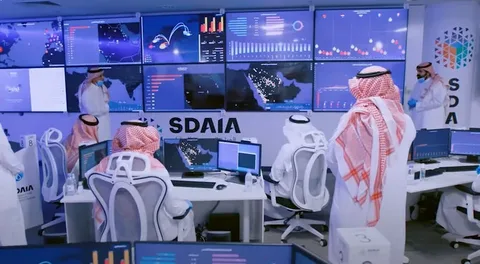
The Engines of Demand: Vision 2030 and Economic Expansion
The driving force behind this sustained demand is not a rejection of technology, but its integration into ambitious national growth plans.
- Saudi Arabia’s Vision 2030:
The Kingdom’s transformative economic reform programme is the primary catalyst. Unprecedented investments in construction, tourism (including NEOM and the Red Sea Project), logistics, manufacturing, and new economic zones are creating millions of job roles. The study estimates that without AI’s productivity gains, workforce demand would be even higher by approximately 650,000.
- The UAE’s Diversification Drive:
The Emirates’ focus on becoming a global hub for technology, finance, tourism, and renewable energy is fuelling its need. The report projects the UAE’s total workforce to grow by 12.1% by 2030 , ranking it among the world’s fastest-growing labour markets. Modernisation in both government and private sectors is spurring hiring across the board.
AI as a Collaborator, Not a Replacement
Contrary to popular narrative, the study positions AI as a complementary force in the Gulf’s job market. The analysis clarifies that AI is primarily automating routine, repetitive tasks. However, human workers remain irreplaceable for:
- Technical expertise and supervision
- Complex problem-solving and innovation
- Customer interaction and service delivery
- Managing and interpreting AI-driven systems
This synergy means that while some tasks evolve, the demand for skilled human capital is increasing to steer, maintain, and leverage new technologies.
High-Demand Sectors for Job Seekers
The sustained growth will create opportunities across a diverse range of industries in both nations:
1. Construction & Infrastructure :
Ongoing mega-projects will need engineers, project managers, architects, and skilled tradespeople.
2. Technology & Digital Services:
Cybersecurity analysts, data scientists, software developers, and AI specialists are in critical demand.
3. Logistics, Hospitality, and Retail:
Economic and tourism growth drives need in transport, supply chain management, hotel operations, and customer service.
4. Financial Services & Renewable Energy:
Dubai’s finance hub and regional sustainability initiatives are creating niche, high-value roles.
Strategic Implications for Global and Pakistani Workers
For the millions of Pakistani professionals and labourers already contributing to the Gulf economies, this study is particularly significant. It confirms that pathways for overseas employment will remain robust, especially for those with:
- Trade skills and technical certifications (electricians, welders, HVAC technicians)
- Digital literacy and IT competencies
- Experience in healthcare, education, and retail services
- Soft skills in communication, supervision, and client management
The key differentiator will be adaptability and continuous learning . Workers who invest in upskilling—particularly in digital tool literacy—will be best positioned to secure these future opportunities.
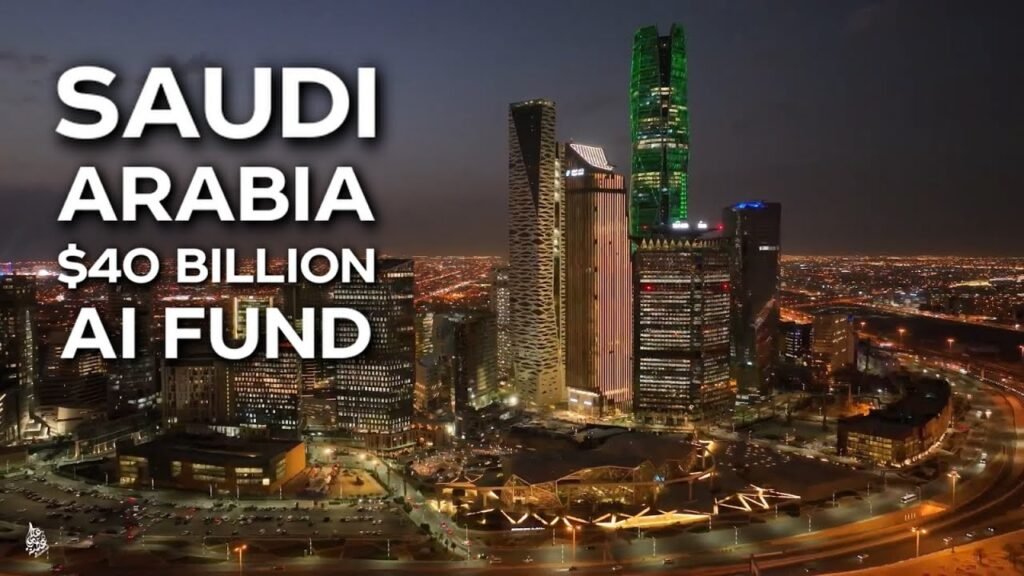
Conclusion: A Call for Preparedness in a Transforming Market
The 2025 workforce study delivers a clear message: the Gulf’s economic ambition outpaces even the productivity gains of automation. The projected need for 1.5 million workers in the UAE and Saudi Arabia underscores a long-term structural demand for human talent. AI is not closing this gap; it is merely changing the nature of the required skills.
For nations with large expatriate workforces like Pakistan, this represents a sustained strategic opportunity. The challenge and opportunity lie in aligned preparation—focusing education and vocational training on the sectors and skill sets (technical, digital, and service-oriented) that the Gulf’s future demands. In this evolving landscape, the workers and countries that proactively adapt will be the primary beneficiaries of one of the world’s most dynamic job markets.
Question for Readers :-
What’s your view? Which sector in the UAE or Saudi Arabia do you believe holds the most promise for skilled workers over the next five years? Share your insights below.
It’s fascinating to see how AI isn’t necessarily displacing jobs in the Gulf, but actually creating opportunities in other sectors due to the region’s growth plans. The economic vision behind this is impressive and shows how strategic investments can lead to sustainable employment.