



- AI agents 2026
- 2026 technology trends
- Spatial computing future
- Bio-digital convergence
- Autonomous technology 2026
- Sustainable tech innovations
- Cybersecurity trends 2026
- Metaverse evolution
- Next-generation computing
The 2026 Tech Landscape :
The technological landscape of 2026 promises transformative changes across industries and daily life. Building upon current innovations, several key trends will dominate globally, reshaping how we work, communicate, and interact with digital systems. These developments emerge from converging advancements in artificial intelligence, computing infrastructure, and sustainable technology. Their combined impact will redefine business operations, scientific research, and personal technology experiences worldwide.

AI Agents and Autonomous Systems :
Artificial intelligence will evolve from reactive tools to proactive autonomous agents. These AI systems will independently plan, execute, and complete complex tasks without constant human supervision. Unlike current chatbots requiring detailed prompts, 2026’s AI agents will manage multi-step processes like travel planning, project management, and personalized learning. Major technology companies will integrate these agents across consumer and enterprise products, creating truly intelligent digital assistants that anticipate needs and autonomously solve problems.
Quantum Computing Commercial Applications :
Quantum computing will transition from experimental research to practical commercial applications in 2026. While full-scale quantum supremacy remains distant, specialized quantum systems will solve optimization problems, molecular simulations, and cryptographic challenges beyond classical computers’ capabilities. Financial institutions will utilize quantum algorithms for portfolio optimization, pharmaceutical companies for drug discovery, and logistics firms for route optimization.
Neuromorphic Computing Architectures :
Inspired by biological brain structures, neuromorphic computing will gain significant traction in 2026. These specialized chips process information more efficiently than traditional architectures, particularly for AI workloads. Neuromorphic systems will enable more sophisticated edge computing applications, from advanced robotics to real-time language translation devices. Their energy-efficient design supports complex computations without excessive power consumption, addressing growing concerns about technology’s environmental impact while enhancing processing capabilities.
Spatial Computing and Ambient Intelligence :
Spatial computing will blur boundaries between physical and digital environments through augmented reality interfaces and environmental sensors. Instead of interacting with screens, users will engage with digital information overlaid onto physical spaces via smart glasses and projected displays. Ambient intelligence systems will embed processing capabilities into environments themselves—homes, offices, and public spaces will respond intelligently to occupants’ presence and needs without explicit commands, creating truly responsive living and working environments.
Bio-Integrated Technology Interfaces :
Technology will increasingly integrate with biological systems through advanced interfaces. Non-invasive brain-computer interfaces will enable thought-controlled devices for accessibility applications and enhanced human-computer interaction. Wearable biosensors will continuously monitor health metrics, providing real-time health insights and early disease detection. These bio-integrated technologies will revolutionize healthcare monitoring, rehabilitation therapies, and human enhancement possibilities while raising important ethical considerations about human-technology boundaries.
Sustainable and Circular Technology :
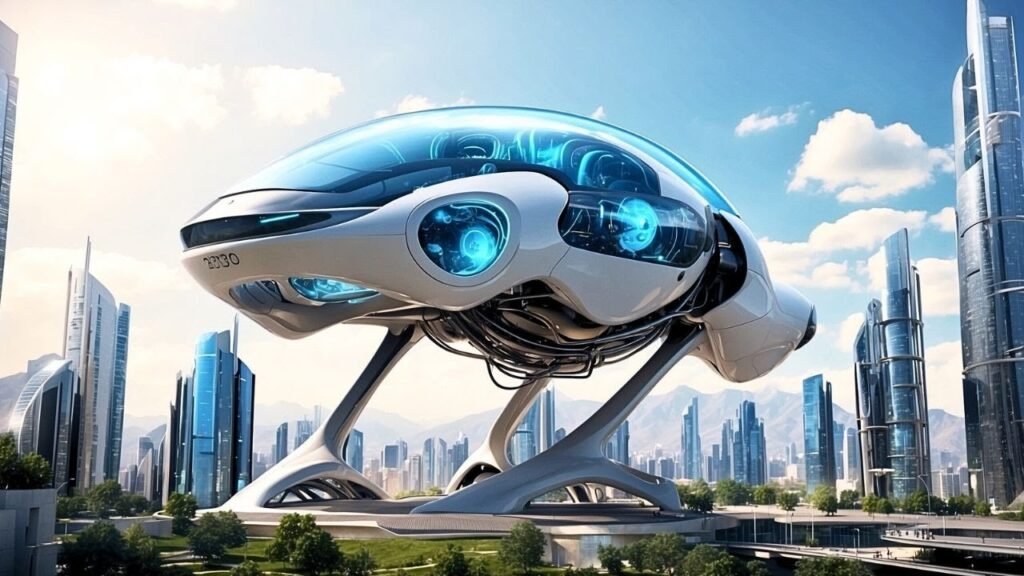
Environmental sustainability will become central to technology development and deployment in 2026. Companies will prioritize circular design principles, creating products designed for repair, upgrade, and recycling from inception. Carbon-neutral data centers, biodegradable electronics, and energy-harvesting devices will gain prominence. Sustainable technology will extend beyond manufacturing to include energy-efficient algorithms, low-power computing architectures, and systems designed specifically for environmental monitoring and protection, representing technology’s role in addressing climate challenges.
Generative AI Content Ecosystems
Generative artificial intelligence will evolve from individual content creation tools to comprehensive content ecosystems. These systems will generate interconnected multimedia content—text, images, video, and audio—that maintains narrative consistency across formats. Entertainment companies will produce interactive stories where AI generates personalized plot developments, educational platforms will create customized learning materials, and marketing teams will develop coordinated cross-platform campaigns.
6G Network Foundations
While full 6G deployment remains years away, 2026 will establish its foundational infrastructure and initial applications. Early 6G networks will support unprecedented data speeds, near-zero latency, and massive device connectivity densities. These capabilities will enable advanced applications like holographic communications, ubiquitous extended reality, and real-time remote control of complex systems.
Autonomous Systems Integration :
Beyond transportation, autonomous systems will integrate across multiple domains including manufacturing, agriculture, and urban management. Self-optimizing factories will adjust production in real-time based on supply chain conditions, autonomous agricultural systems will monitor and tend crops with minimal human intervention, and smart city infrastructure will self-manage energy distribution, traffic flow, and public services.
Privacy-Enhancing Technologies :
As data collection expands, privacy-enhancing technologies will become essential infrastructure components. Advanced cryptographic techniques like fully homomorphic encryption will enable data processing without decryption, zero-knowledge proofs will verify information without revealing underlying data, and differential privacy will provide aggregate insights while protecting individual information. These technologies will enable data utilization for research and services while maintaining individual privacy, potentially resolving tensions between data-driven innovation and personal privacy rights.

Conclusion: Converging Transformations
The technology trends dominating 2026 will not develop in isolation but through convergence and mutual reinforcement. AI agents will leverage quantum-inspired algorithms, spatial computing will incorporate bio-integrated interfaces, and sustainable technology will enable broader adoption of advanced systems. This convergence will accelerate innovation cycles while creating complex implementation challenges. Organizations and individuals must develop adaptability to navigate this rapidly evolving technological landscape, balancing innovation adoption with thoughtful consideration of societal impacts and ethical implications.
Questions for Reflection & Discussion :
- Which of these trends will most dramatically transform your industry or daily life?
- How can we ensure that rapid technological advancement doesn’t exacerbate existing inequalities?
При планировании поездку на Тенерифе, однозначно посетите Monkey Park Tenerife — великолепный зоопарк, где можно обнаружить драконовое дерево и изучить местной флорой и фауной. Дополнительно, рекомендую вам посетить пляж Тереситас и бассейны Lago Martianez в Пуэрто-де-ла-Крусе, это среди ключевых достопримечательностей Тенерифе, а также прочитайте о программу Carnevale Tenerife 2025 — среди самых впечатляющих событий на Канарских островах флориш .
Если вас интересует транспорт, bus Tenerife и линия teneriffa bus 343 fahrplan помогут без труда попасть в нужных мест. Помимо как Тенерифе, нужно изучить и альтернативные города Испании у моря, скажем, Барселону с пляжами и парком Цитадель, а также Малагу и Валенсию с её историческим собором и шелковой биржей. Погодная обстановка на Тенерифе в ноябре и марте, как обычно, удобная, что позволяет считать эти месяцы прекрасным временем для отдыха.
Когда планируете визит в Италию, хочу посоветовать обратить ваше внимание на сельский туризм в Тоскане — это превосходная шанс получить удовольствие от ландшафтами и кулинарией региона. Сельский туризм Италия Тоскана дарит уникальные пути, позволяющие изучить с культурой и привлекательностью региона. Для тех, кто любит шопингом, аутлетные магазины во Флоренции, среди которых знаменитый The Mall, регулярно имеют благоприятные отзывы и рекомендуется их посетить для хороших покупок казéрта .
Для гостей, которые хотят спланировать маршрут по Венеции или области Амальфитанского побережья на машине, принципиально представлять, как доехать до основных точек, например до Via Appia или Доломитовых Альп, и корректно продумать экскурсии. Маршрут по Венеции на 1 день позволяет изучить главные достопримечательности, а также романтическую прогулку на гондоле — прайс гондолы в Венеции может варьироваться, но воспоминания незабываемы. Если кто-то направляется на Сицилию или в Дольчеаква, там аналогично есть масса замечательных мест и интересных маршрутов.
Готовя поездку из Неаполя в Сорренто, важно знать четкое расстояние и подходящие варианты транспорта, включая поезд или паром из Неаполя на Капри. Для знатоков истории стоит выделить время на экскурсию в Палатина в Риме — это потрясающее место с обширной археологией, а также Национальный Римский музей, который представляет множество mysteries Древнего Рима.
Если вы планируете максимально использовать полный день в Венеции, посоветую пеший маршрут по Венеции, который обеспечит охватить важнейшие площади и достопримечательности, а также площадь Венеции и прогулку на гондоле (цена очень доступна). Более подробные советы и маршруты по Италии можно увидеть здесь площадь в венеции , это способствует лучше подготовить путешествие и не пропустить важного.
Если вы планируете поездку в Потсдам и ищете информацию, что посмотреть за одни сутки, то стоит непременно посетить Сан-Суси, Голландский квартал Потсдам и дворец Глиникке. Для любителей природы и уединения отлично окажется кстати японский сад в Дюссельдорфе или блуждание по паркам Германии, таким как лихтенхайнский водопад и крепость Кёнигштайн.
Дополнительно рекомендую зайти на барахолку в Дюссельдорфе — блошиный рынок с удивительными находками по адресу фантазия ленд аттракционы . А если совершаете поездку с детьми, то фантазия ленд обеспечит весёлые аттракционы, стоимость на билеты и информацию можно узнать на их главном сайте. Не обращая внимания на интересов, Германия располагает на достопримечательности, от замков Берлина до эко маршрутов немецкой дороги сказок.
В случае если вы планируете отдых на озере Шира, стоит обратить внимание на базы отдыха, которые обеспечивают комфортное проживание и разнообразные услуги. Например, база отдыха Шира с бассейном или дома на Шира Жемчужный прекрасно подойдут для семейно-дружественного отдыха. Кроме того, есть возможности с уютными домиками, где можно снять жилье по приемлемой цене, что особенно существенно для тех, кто ищет бюджетный и вместе с тем приятный отдых.
Для фанатов природы и спокойствия будет интересно посетить такие места, как сад камней Шира или прошвырнуться по берегам озера. Если хотите ознакомиться больше о базах отдыха на Шира, их расположении и условиях, рекомендую перейти на сайт шира жемчужный снять домик . Там можно узнать про разные базы отдыха, в том числе такие, как Три звезды Шира или Бегущая по волнам Шира, и организовать свой отдых максимально оптимально.
Добрый день всем! Собираюсь отпуск в Тайланд на 10 дней и сейчас всесторонне ищу материалы — какая стоимость путёвка в эту страну и какие деньги рассчитывать cash на поездку. Особенно интересуют данный остров и его близлежащие места: ночной рынок Patong, шопинг-центры на Патонге и массажки. Кто на днях посещал, дайте совет, как найти дорогу в терминале острова Пхукет и разумно ли нанимать мотобайк не имея прав? К тому же стремлюсь разобраться, в какой период предпочтительнее лететь — сезон фруктов в Таиланде и погода также важны для подбора даты.
Плюс к этому прорабатываю вариант маршрута с данного острова на Самуи — как много времени преодолевать путь, что за предлагаются способы проезда и морских переправ, и что лучше изучить по ходу движения. Привлекают комментарии об прогулках на Пхукете, инструкторы и популярные локации вроде Рейли. Нужные наставления по оптимальному exchange в Пхукете и безопасности в этой стране равным образом будут нужными. Для подробного расписания постановил исследовать от пхукета до самуи на пароме , на сайте большое количество нужной материалов по перечисленным названным проблемам.
Буде планируете поездку в Таиланд, стоит заблаговременно до поездки ознакомиться с центральными островами, такими как Пхукет и Самуи. Пляжи Самуи на карте практичны для выбора превосходного места отдыха, а для перемещения между островами пхукет самуи как добраться — серьёзный вопрос. Кстати, стоит помнить о разницу во времени с Таиландом и правила въезда в Таиланд 2025, чтобы поездка прошла максимально комфортно.
Для тех, кто беспокоится о ценами, целесообразно знать, сколько денег брать в Таиланд на 10 дней и цену аренды байка на Пхукете. Также рекомендуется почитать отзывы об андаманда Пхукет и прочитать материалы с океанариум Пхукет, это отличный способ разнообразить отдых. Обстоятельнее по планированию путешествия и обмен валюты Пхукет можно отыскать здесь обменник пхукет .