



- Pakistan IMF tax talks
- Solar panel GST increase
- FBR revenue measures
- Contingency taxation
New Tax Proposals on the Table :
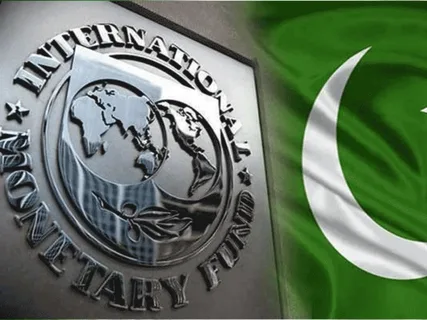
Pakistan and the International Monetary Fund (IMF) are exploring alternative revenue measures, including potential tax increases on solar panels and internet services, after earlier proposals to tax fertilizers and pesticides faced rejection. These contingency measures aim to address possible revenue shortfalls while keeping the country’s economic program on track.
Understanding the Contingency Tax Measures :
The proposed tax adjustments would only be implemented under specific conditions. First, if revenue collection for the first half of the fiscal year (July-December) falls significantly short of projections. Second, if the Finance Ministry proves unable to reduce its expenditures adequately. This two-pronged approach ensures that tax increases remain a last resort rather than a first option.
Solar Panels: From 10% to 18% GST
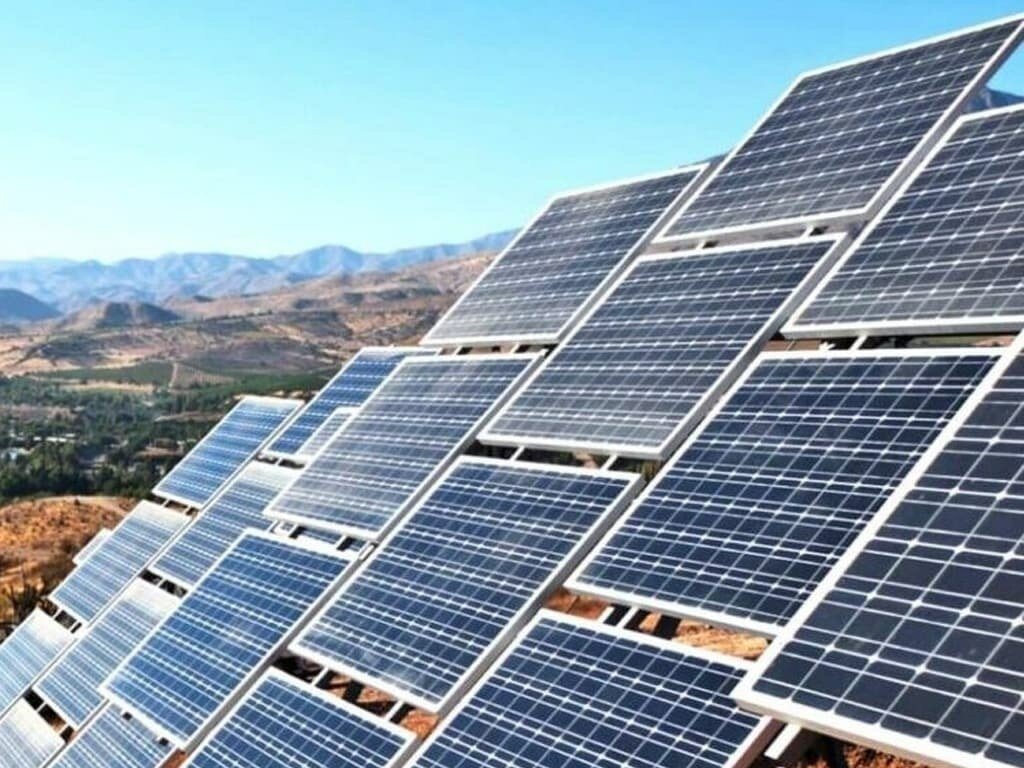
One significant proposal involves increasing the General Sales Tax (GST) on imported solar panels from the current 10% to 18%, effective from January 2026 if needed. This move appears driven by the government’s concern about declining grid electricity consumption, which has led to substantial “capacity payments” estimated at approximately Rs1.7 trillion this fiscal year.
The solar energy sector has seen remarkable growth in Pakistan, with current rooftop installations generating 6,000 MW of electricity—a figure that could double rapidly. The FBR estimates that imported solar panels could eventually support 25,000 to 30,000 MW of electricity generation. While the current 10% GST generates Rs40-50 billion in revenue, increasing it to 18% could yield an additional Rs20-30 billion.
Internet Services: Withholding Tax Increase
Another proposal under discussion involves raising the withholding tax on internet services from the current 15% to between 18% and 20%. This potential increase has raised concerns among telecom sector experts who argue that higher taxes would make connectivity more expensive for ordinary consumers, particularly those with low or irregular incomes.
For many Pakistanis, mobile and internet access has transitioned from luxury to necessity, essential for work, education, healthcare, and social connections. Critics warn that increased taxes could widen the digital divide, disproportionately affecting poor and rural populations who stand to benefit most from internet access.
Broader Economic Context :
The IMF has agreed to lower the FBR’s overall tax collection target after revising Pakistan’s GDP growth projection downward from 4.2% to between 3.25% and 3.5%. However, the tax-to-GDP ratio target of 11% remains unchanged. This adjustment acknowledges the challenging economic environment while maintaining pressure for fiscal improvement.
The revenue situation remains pressing, with the FBR having already experienced a shortfall of Rs198 billion in the first quarter against a target of Rs3.08 trillion. The institution now faces the challenging task of collecting Rs6.695 trillion by December 2025.
Rejected Proposals and Alternative Options :
Earlier in the talks, the IMF opposed Pakistan’s proposal for a flood levy on imported luxury items, while Pakistani authorities strongly rejected increasing tax rates on fertilizers and pesticides. This mutual rejection led both parties to identify the current contingency measures as fallback options, demonstrating the negotiation process’s complexity.
Potential Impacts and Considerations :
The proposed tax increases present a delicate balancing act. While they may generate necessary revenue, they could also slow Pakistan’s renewable energy transition and digital inclusion efforts. The solar tax might discourage clean energy adoption despite the country’s power challenges, while internet tax hikes could limit digital access precisely when connectivity is most crucial for economic development.
Navigating Fiscal Challenges :
As Pakistan and the IMF work to stabilize the economy, these contingency tax measures represent the difficult choices involved in fiscal management. The final decision will need to carefully weigh revenue needs against potential impacts on sustainable energy adoption and digital accessibility. The outcome will significantly influence both Pakistan’s economic trajectory and its progress toward energy independence and digital inclusion.
Question for Readers:
How do you think potential tax increases on solar panels and internet services might affect Pakistan’s renewable energy goals and digital inclusion efforts? Share your perspective below!
NYC article