



The world is changing at a dizzying pace. At the heart of this shift are two powerful forces: Artificial Intelligence (AI) and automation. They are no longer concepts from science fiction. They are here, and they are reshaping our lives and work in profound ways. Understanding this shift is crucial for everyone.
Simply put, AI is the brain, and automation is the body. AI refers to machines that can simulate human intelligence. They can learn, reason, and solve problems. Automation is about using technology to perform tasks with minimal human input. Together, they create a powerful partnership that is transforming entire industries.
The Transformation of the Workplace:
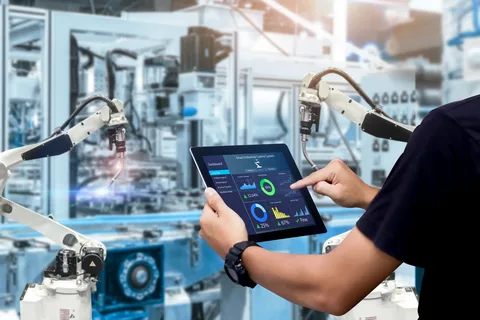
One of the biggest impacts of AI and automation is on the workplace. Routine and repetitive tasks are being handled by machines. This includes data entry, assembly line work, and even some customer service queries through chatbots. This shift is not just about factory floors. It is affecting white-collar jobs in law, finance, and marketing.
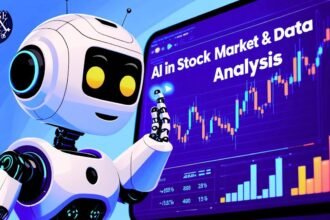
Ai scans huge data set in the blink of eye. It can spot patterns that a human might miss. This leads to better decision-making and increased efficiency. For example, doctors use AI to analyze medical scans for early disease detection. Financial analysts use it to predict market trends. The potential for growth is enormous.
This does not necessarily mean a jobless future. It often means a different future. As machines take over mundane tasks, human workers are freed up. They can focus on more complex, creative, and strategic work. The demand for skills like critical thinking, empathy, and innovation is rising. The nature of work is evolving from manual execution to intelligent management.
Everyday Life and the Consumer Experience:
The influence of AI and automation extends far beyond the office. It is woven into our daily experiences. When you ask a smart speaker for the weather, that is AI. When a streaming service recommends your next favorite show, that is AI at work. Ride-sharing apps use AI to calculate fares and match drivers. Online shopping is powered by algorithms that personalize your entire journey.
Automation makes our lives more convenient. Smart home devices can adjust the thermostat and lights automatically. Navigation apps find the fastest route in real-time. These technologies learn from our behaviors. They anticipate our needs, making daily routines smoother and more efficient.
This creates a world that is more connected and responsive. It also raises important questions about data privacy and security. Our interactions with these systems generate massive amounts of personal data. How this data is used and protected is one of the most critical conversations of our time.
The Challenges and Ethical Considerations:
Despite the benefits, this new era brings significant challenges. Job displacement is a major concern. Workers in certain sectors may find their roles obsolete. This requires a massive push for reskilling and upskilling. Governments and companies must invest in education. We need to prepare the workforce for the jobs of tomorrow.
There is also the risk of bias. AI systems learn from existing data. If this data contains human biases, the AI will learn and amplify them. This can lead to unfair outcomes in areas like hiring and lending. Ensuring that AI is fair and transparent is a top priority for developers.
The ethical questions are deep. Who should be held accountable if a self-driving car is involved in an accident? How do we ensure that AI is used for good and not for malicious purposes? Creating strong regulations and ethical guidelines is essential. We must build a framework that encourages innovation while protecting society.
Looking Ahead: A Collaborative Future
The future is not about humans versus machines. It is about humans and machines working together. AI can handle data-driven, repetitive tasks with superhuman speed and accuracy. Humans provide the creativity, ethical judgment, and emotional intelligence that machines lack.
This collaboration will unlock new possibilities. We will solve complex problems in climate science and medicine. We will create new forms of art and entertainment. The key is to approach this transition with careful planning and a focus on human values.
Conclusion :
In conclusion, AI and automation are powerful tools. They are reshaping our world in undeniable ways. This brings both incredible opportunities and serious responsibilities. By embracing the change, addressing the challenges, and guiding the technology with a human touch, we can build a future that is more efficient, innovative, and equitable for all. The journey has just begun.