



- AI stock market impact
- AI stock sell-off 2026
- AI disruption stocks
- Claude Cowork AI tools
- Anthropic AI market panic
- Data analytics stocks down
- LSEG stock AI
- Relx share price AI
- Investing in AI era
- AI stock market volatility
- Technology sector sell-off
The Market Just Got a Reality Check :
Let’s talk about a shocking week in finance. Have you checked your portfolio recently? If it includes media or data stocks, you might need to sit down. Consequently, a major sell-off just hit these sectors. The reason is clear and powerful. New AI tools are threatening their very business models. This isn’t just a minor dip. Instead, it’s a fundamental reassessment of value in the age of artificial intelligence.
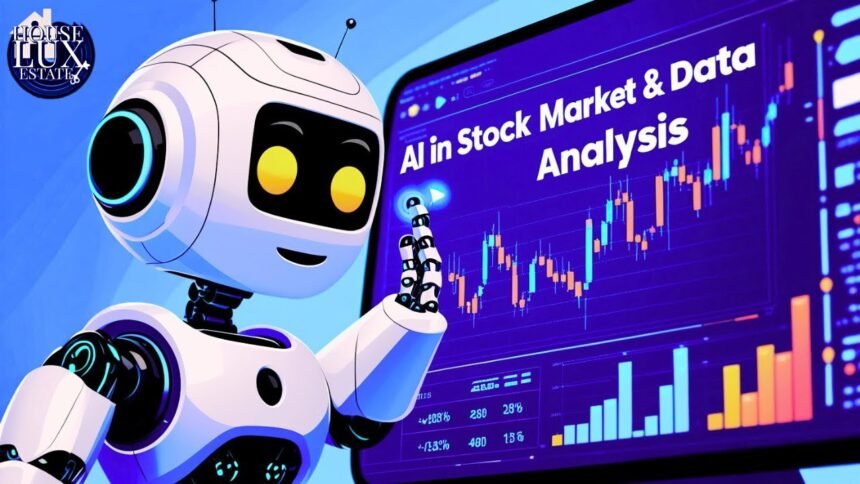
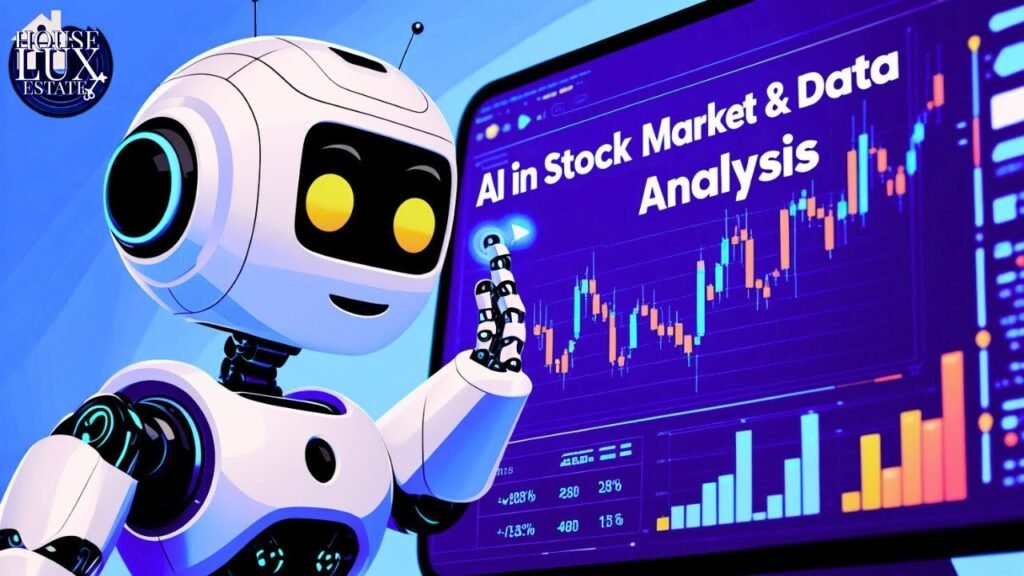
The AI stock market impact is now moving from theory to brutal reality. Last Friday, a company named Anthropic released a suite of advanced tools. These tools promise to automate complex tasks in law, marketing, and analytics. Therefore, investors panicked. They swiftly dumped shares in companies perceived as vulnerable. This event teaches us a crucial 2026 lesson. The AI disruption wave is now hitting the bottom line.
What Sparked the Panic? A Tool Called Claude Cowork
So, what exactly caused this fear? The answer lies in a platform called Claude Cowork. Anthropic launched this user-friendly interface earlier this year. However, their latest update was the real game-changer. They released open-source plugins for specific industries. For example, one plugin automates legal contract review. Another handles customer support analysis.
Imagine a tool that does in minutes what a team of analysts takes days to complete. That’s the promise. Consequently, the value of human-driven data processing and content creation suddenly looked fragile. The market’s reaction was immediate and severe. This demonstrates the profound AI stock market impact when technology moves from labs to workplaces.
The Numbers Don’t Lie: A Global Stock Slide
Let’s look at the hard data from this week. The declines were steep and widespread. Firstly, in Europe, the selling pressure was intense.
London Stock Exchange Group (LSEG) :
Its shares fell an additional 1.6%. This drop followed a steep 9% decline just the day before.
Relx :
Investors watched this media and data powerhouse lose 16% of its market value in a single session.
Publicis & WPP :
These advertising leaders weren’t spared. Their stock prices dropped by over 3% and 2.4% respectively.
Secondly, the panic crossed the Atlantic to Wall Street. Analytics and software firms led a tech rout.
Gartner : Crashed a staggering 21%.
S&P Global : Dropped 11%.
Finally, the tremors reached Asia. Stocks like Australia’s Xero and India’s Infosys also fell. Clearly, this is a synchronized global event. Investors are re-pricing risk for the entire information economy.
Is This an Overreaction? What Experts Are Saying
Now, let’s pause. Is this market meltdown rational? Some top analysts are urging caution. They believe the fear might be overblown. For instance, Marija Veitmane of State Street called the reaction “apocalyptic” and “overly pessimistic.”
Her argument is compelling. She states, “I don’t think we can completely replace data analytics and software writing.” Moreover, she sees this as a shift towards efficiency, not oblivion. “Those companies will end up being more efficient,” she adds. Therefore, the narrative isn’t just about destruction. It’s also about adaptation and integration.
This expert view is vital for context. The AI stock market impact involves both danger and opportunity. The key is telling them apart.
The Bigger Trend: From AI Euphoria to AI Anxiety
This event signals a major market phase shift. Jim Reid from Deutsche Bank nailed the explanation. He noted a “clear shift from AI euphoria towards more differentiation.” Initially, markets cheered every AI announcement. Now, they are scrutinizing the collateral damage.
Think of it this way. The first wave of investing focused on the picks and shovels—the AI builders. The current wave is analyzing which existing cities get flooded by the new technology. Media, publishing, and data analytics are in the floodplain. Consequently, their stock prices are reflecting that newfound risk.
A 2026 Investor’s Guide: Navigating the New AI Reality
So, what should you do with this information? If you’re an investor, don’t just panic and sell. Instead, develop a smarter strategy. Here is a practical, three-step guide for 2026.
Step 1: Audit Your Holdings for AI Risk.
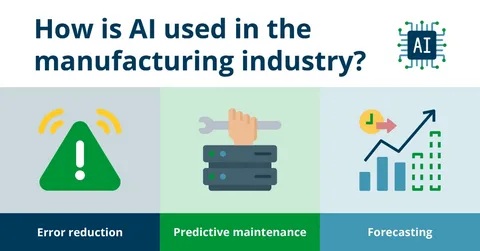
First, look at your portfolio. Identify companies that sell “thinking” or “analysis” as a service. These are now high-risk categories. Ask a simple question: “Could an AI tool do this cheaper or faster?” If the answer is yes, tread carefully.
Step 2: Look for the AI Adapters, Not Just the Victims.
Secondly, search for resilience. Many firms will use AI to become stronger. Look for management teams discussing AI integration clearly. Companies that automate their own workflows will survive and thrive. They are the ones to watch.
Step 3: Balance Your Exposure.
Finally, avoid having all your eggs in one basket. The AI stock market impact will create winners and losers. Ensure your investments are spread across different sectors and themes. Consider including pure-play AI infrastructure companies as a hedge.
The Future of Work in Data-Driven Industries :
Let’s zoom out from the stock ticker. What does this shift mean for jobs and career paths in these industries? The landscape is changing, but not disappearing. Repetitive analytical tasks are prime for automation. However, strategic interpretation, creative problem-solving, and ethical oversight are more human than ever.
Therefore, professionals must pivot. The value is moving “up the stack.” For example, don’t just compile data. Learn to ask the profound questions that guide the AI. Don’t just write standard reports. Develop the unique insight and narrative that AI cannot replicate. This is the path to career security in 2026 and beyond.

Final Thoughts: Navigating the New Investment Landscape
In conclusion, this week’s market turmoil is a loud wake-up call. The AI revolution is entering its next, more consequential phase. It’s moving from hype to tangible economic impact. For investors, this means volatility but also opportunity.
Remember, technological progress always creates and destroys value. The goal is to understand the new terrain with clarity. You must see which business models are weakening and which are being reforged in strength. Stay curious, stay analytical, and don’t let fear drive your decisions. The AI stock market impact is the story of our time. Make sure you’re reading it wisely.
Questions for Readers :
Do you think the sell-off in media and data stocks is a temporary panic or a permanent repricing of risk due to AI?
Are you more likely to invest in AI companies building the tools, or in traditional companies that are successfully adapting to them?