




- SpaceX Starship test
- Super Heavy booster
- Moon mission 2025
Introduction: Breaking New Ground in Space Exploration
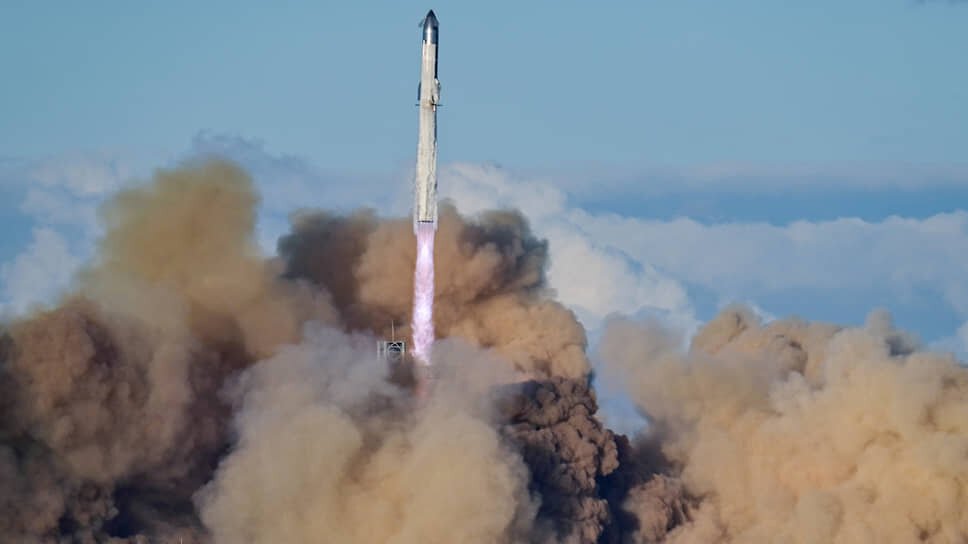
SpaceX has achieved another remarkable milestone in space technology through its successful 11th Starship test flight. This groundbreaking mission, launched from Texas on October 13, 2025, represents significant progress in reusable rocket development. Consequently, it brings us closer to realizing ambitious goals of lunar exploration and eventual Mars missions.
Mission Breakdown: Key Accomplishments
The integrated Starship system, consisting of the Super Heavy booster and Starship upper stage, launched successfully from SpaceX’s Starbase facility. Following separation, the booster performed a controlled descent into the Gulf of Mexico. Meanwhile, the Starship upper stage achieved several critical objectives:
1.Successfully deployed mock Starlink satellites
2.Conducted engine restart tests in space
3. Tested new heat shield configurations during re-entry
4. Ultimately splashed down safely in the Indian Ocean
This flight demonstrated consistent improvement from previous tests, particularly in booster landing procedures and thermal protection systems.
Next-Generation Starship: Major Upgrades Ahead
SpaceX is now preparing to introduce significantly upgraded Starship prototypes. These enhanced vehicles will feature several crucial improvements:
1.Advanced docking systems for orbital refueling
2. Reinforced heat shields for extended space travel
3. Modified engine configurations for better performance
4. Enhanced life support systems for crewed missions
According to SpaceX President Gwynne Shotwell, “The upcoming prototype represents the vehicle that could ultimately transport humans to the Moon and Mars.”
Orbital Refueling: Critical Technology Development
One of the most complex challenges involves perfecting orbital refueling techniques. This process requires two Starships to dock in space and transfer super-cooled propellant. Success in this area is essential because it enables:
1. Extended deep space missions
2.Multiple lunar landings from a single launch
3. Future Mars mission feasibility
4. Reduced costs through reusable architecture
However, this technology requires meticulous testing and validation before operational use.
NASA Partnership: Supporting Artemis Program
SpaceX’s progress directly supports NASA’s Artemis program, which aims to establish sustainable lunar exploration. The collaboration demonstrates several important benefits:
1.Shared technical expertise and resources
2. Accelerated development timelines
3. Enhanced mission safety through redundant systems
4. International space leadership preservation
NASA’s acting administrator noted the mission represents “significant progress toward landing Americans on the Moon’s south pole.”
Broader Implications: Beyond Lunar Missions
The successful test flight has wider implications for space exploration and commercial space activities:
Starlink Deployment Enhancement :
Starship’s substantial payload capacity will enable more efficient Starlink satellite deployments, consequently improving global internet coverage.
Mars Exploration Foundation :
These tests gradually build toward Elon Musk’s vision of making humanity a multi-planetary species through Martian colonization.
Commercial Space Expansion :
Reusable rocket technology promises to dramatically reduce space access costs, thereby opening new opportunities for research and commerce.
Future Challenges and Timeline
Despite recent successes, several challenges remain:
1. Perfecting orbital refueling techniques
2.Ensuring reliable lunar landing capabilities
3.Validating long-duration life support systems
4.Meeting ambitious development schedules
SpaceX aims to demonstrate lunar landing capability by 2027, though technical complexities may influence this timeline.
Conclusion: Pioneering the Space Frontier
SpaceX’s continued Starship testing represents crucial steps toward sustainable space exploration. Each successful flight provides valuable data while building confidence in the system’s capabilities. As development progresses, we move closer to witnessing humans walking on lunar soil again and eventually venturing toward Mars. The future of space exploration appears increasingly promising through these persistent technological advancements.
Question for Readers:
Which aspect of Starship’s development do you find most exciting for the future of space exploration? Share your perspective below!