




- Shale gas Pakistan
- OGDC shale gas plan
- Pakistan energy crisis solution
- Hydraulic fracturing in Pakistan
- Shale gas benefits and challenges
- Pakistan natural gas reserves
- Fracking environmental impact Pakistan
- Load-shedding solution Pakistan
1. Pakistan’s Deepening Gas Crisis: A National Challenge
Pakistan is facing a severe natural gas crisis, especially during winters, with households and industries suffering prolonged outages. The country’s own natural gas reserves are depleting fast, while imported LNG is expensive and subject to global price shocks. This has led to increased load-shedding, rising energy costs, and stunted industrial growth. In this scenario, the Oil and Gas Development Company (OGDC) has announced an ambitious plan to explore and produce shale gas – a move that could redefine Pakistan’s energy future.
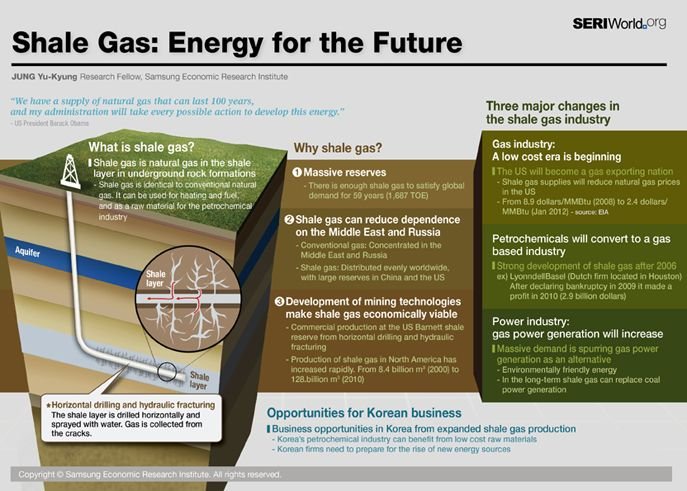
2. What is Shale Gas? Simple Explanation
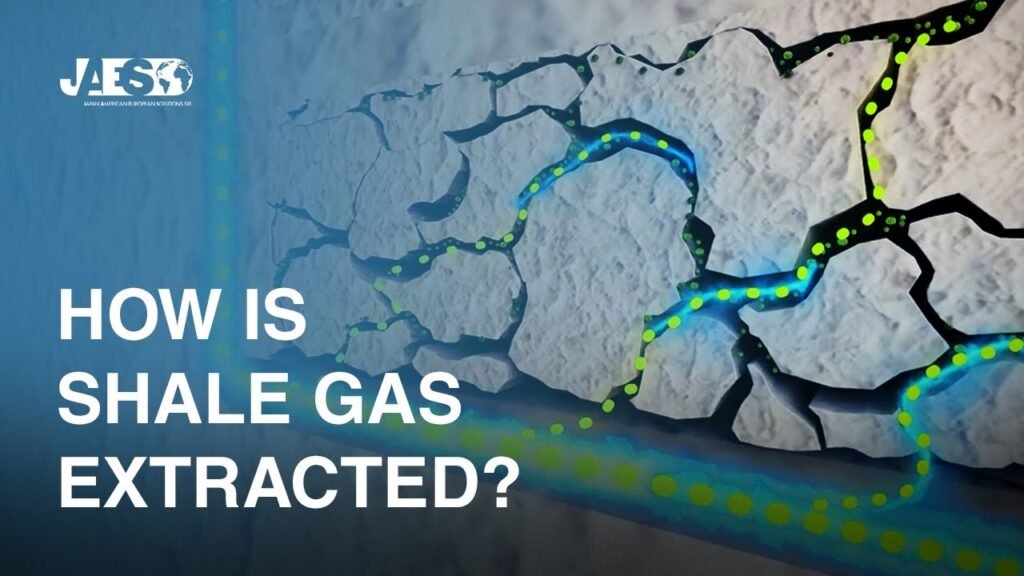
Shale gas is natural gas trapped deep inside fine-grained sedimentary rocks called shale. Unlike conventional gas, which flows easily through porous rocks, shale gas is locked tightly in the rock. To extract it, a technique called hydraulic fracturing (“fracking”) is used:
- High-pressure water, sand, and chemicals are injected into the rock.
- This creates tiny fractures, releasing the trapped gas.
Shale gas has revolutionized energy markets in countries like the USA, making them energy-independent. Pakistan also has large shale gas reserves, especially in the Lower Indus Basin.
3. OGDC’s New Plan (Based on Reuters Report)
In early 2025, OGDC announced it will begin pilot projects for shale gas extraction in Sindh and Punjab. According to Reuters, the company has already completed geological surveys and identified potential sites. OGDC plans to:
- Start experimental drilling in the Mianwali and Sukkur regions.
- Collaborate with international companies having fracking expertise.
- Invest initially in technology and infrastructure for shale extraction.
This marks Pakistan’s first serious move toward exploiting its estimated 105 trillion cubic feet (TCF) of shale gas resources.
4. How Shale Gas Can Transform Pakistan’s Energy Future
If successful, shale gas could bring multiple benefits:
- Reduced import dependency – Less reliance on costly LNG imports.
- Long-term energy security – Domestic gas supply for 20+ years.
- Industrial boost – Cheaper gas for fertilizer, textile, and power sectors.
- Infrastructure development – Pipelines, processing plants, and jobs.
5. Will This Reduce Load-Shedding & Gas Shortage?
- Short-term: No – Shale gas projects take 3–5 years to become commercially viable.
- Long-term: Yes – If reserves are proven viable, shale gas could
- significantly cut gas shortages and reduce winter load-shedding
However, it is not an immediate solution for current crises.
6. Economic Impact: Jobs, Investment, Foreign Companies
- Job creation – From drilling to transport, thousands of technical and non-technical jobs.
- Foreign investment – Companies from the USA, China, and Europe may invest in joint ventures.
- Technology transfer – Local engineers can learn advanced fracking techniques.
- Revenue for government – Taxes, royalties, and reduced energy import bills.
7. Challenges: Technology, Cost, Environment
- High cost – Fracking requires advanced machinery and expertise, making initial investment huge.
- Water scarcity – Fracking uses millions of liters of water – a concern for already water-stressed Pakistan.
- Environmental risks – Possible groundwater contamination and seismic activity.
- Public opposition – Farmers and communities may protest due to environmental fears.
8. Final Verdict – Is Pakistan Ready for Shale Gas?
Pakistan has the potential, but readiness is still questionable:
YES, if:
- The government creates clear shale gas policies and regulations
- International partnerships bring in safe, modern technology.
- Environmental impact assessments are taken seriously.
NO, if:
- Projects face delays, corruption, or poor planning.
- Water usage and pollution issues are ignored.
Bottom line:
Shale gas is a long-term hope, not a quick fix. Pakistan must proceed with caution, planning, and transparency to turn this resource into real public benefit.
Questions for Readers :
1. Do you think shale gas is a sustainable solution for Pakistan’s energy crisis?
2. Should Pakistan prioritize renewable energy (solar/wind) over shale gas?