

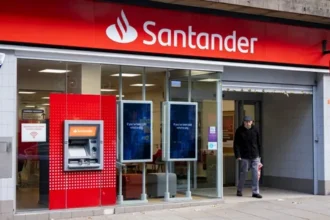


- Santander branch closures
- TSB takeover
- UK bank closures 2024
- Santander job cuts
- Digital banking shift
- TSB merger news
- Santander TSB merger
- Santander restructuring
The Changing Face of British Banking :
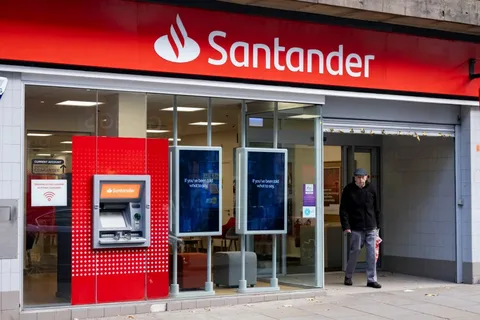
The British high street is transforming right before our eyes. Santander just made a major announcement. They are closing 44 more UK branches. This decision puts almost 300 jobs at risk. It also signals a huge shift in how we bank today. The move comes as Santander prepares for a £2.6 billion takeover of TSB. Clearly, this is more than just a few closures. It’s a strategic pivot that affects customers, staff, and our communities.
These Santander branch closures represent a significant reduction. In fact, one in eight of their locations will shut. So, what’s driving this change? And what does it mean for you? Let’s break it down in simple terms. We’ll look at the digital banking boom, the upcoming TSB merger, and the real human impact.
Why Are Banks Closing Branches ?
First, let’s address the big question. Why close physical branches? The answer is simple: customer behaviour has changed. Most people now bank online or through their phones. Santander has seen a huge rise in digital use. Consequently, footfall in branches has dropped sharply.
This trend isn’t new, of course. Almost every UK bank has been trimming its network. However, Santander’s latest cuts are particularly deep. They reflect a firm commitment to a digital-first future. After these Santander branch closures, only 244 branches will offer full services. That means fewer places for cash deposits, cheque payments, or face-to-face mortgage advice.
Here’s a quick look at what’s changing:
- 44 branches will close permanently.
- 291 staff members are at risk of redundancy.
- Only 244 full-service branches will remain nationwide.
- Vulnerable customers will be contacted for support.
The TSB Takeover: A Game Changer
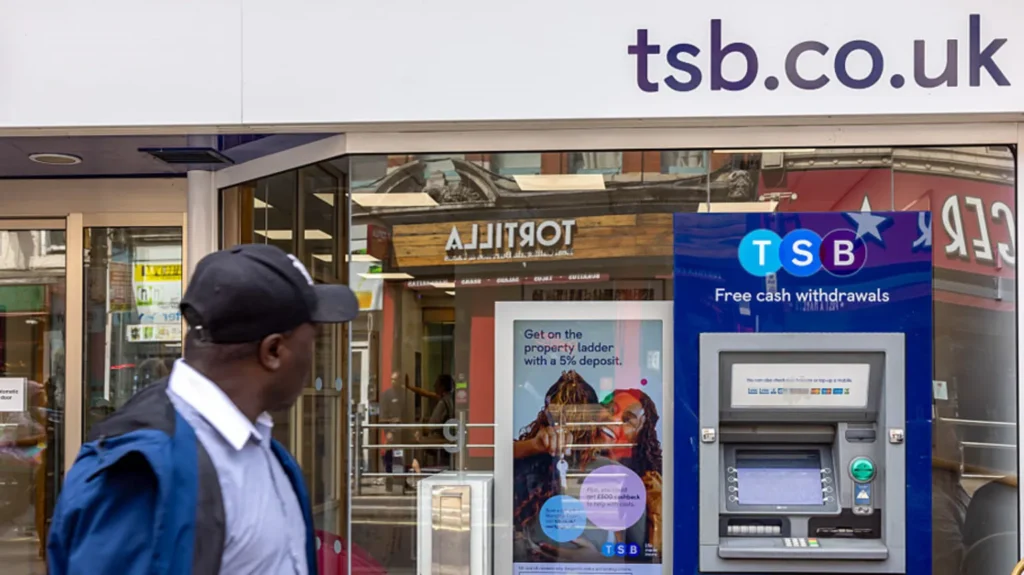
Now, let’s talk about the other big piece of this puzzle. Santander’s planned £2.6 billion takeover of TSB. This deal, announced in July, is still awaiting regulatory approval. However, it’s already shaping decisions today. Why? Because merging two large banks creates overlap.
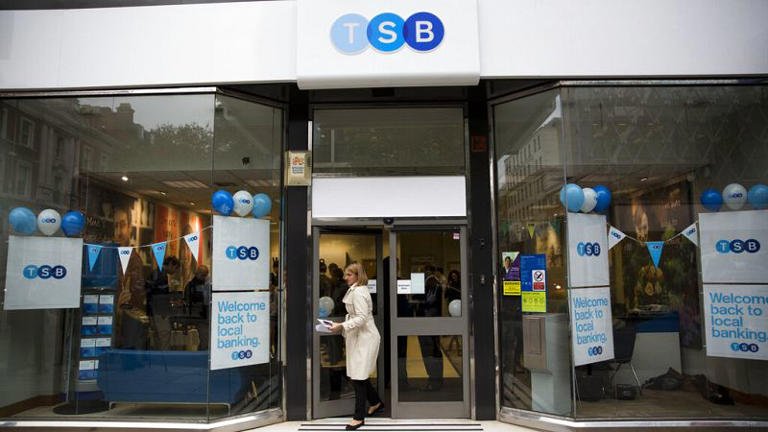
Think about it. TSB has 175 branches and 5,000 staff. Santander has around 350 branches and 18,000 employees. When they merge, some locations will inevitably duplicate each other. So, these current Santander branch closures might be just the beginning. The combined group will likely see more consolidation.
This merger will create a banking giant. In fact, it will become the UK’s third-largest bank for personal accounts. Only Lloyds and NatWest will be bigger. Such a move promises better efficiency and scale. However, it also brings uncertainty for staff and customers of both brands.
How Customers Can Navigate the Transition :
If you bank with Santander or TSB, you’re likely planning your next steps. The immediate effect is that your local branch might close or change. Santander has promised to help vulnerable customers transition. They will phone those who may struggle with the shift to digital banking.
But let’s focus on practical solutions. Here are four clear actions you can take right now:
1. Get Comfortable with Digital Tools :
Download your bank’s app. Learn how to check balances, transfer money, and pay bills online.
2. Use Telephone Banking :
Most banks offer 24/7 phone support. Save the number in your contacts.
3. Plan Cash Needs :
If you still use cash, plan your withdrawals. Use Post Office counters for basic banking services.
4. Stay Informed :
Keep an eye on official letters or emails from your bank. They will notify you of any local changes.
Remember, the goal is convenience. Digital banking can save you time. You can bank anytime, anywhere. However, we understand the frustration if you prefer in-person service.
The Human Impact: Jobs, Communities, and Support
Behind every closure statistic are real people. Nearly 300 Santander employees now face job uncertainty. The bank says it will offer alternative roles where possible. They also promise to consult with unions. Still, this is a stressful time for affected staff.
Moreover, communities lose a local service. Empty bank branches can affect high street footfall. Local shops may see fewer visitors. So, what’s the solution? Some towns are repurposing old banks into cafes, offices, or community spaces. It’s a creative way to keep high streets alive.
Santander must handle this transition with care. Supporting staff through redeployment or retraining is crucial. Likewise, helping customers adapt builds long-term trust. How they manage this period will define their reputation.
The Bigger Picture: UK Banking in 2026
Looking ahead, what can we expect by 2026? The trend is clear. Physical branches will become fewer but more specialised. They might focus on complex services like business advice or mortgages. Everyday banking will be almost entirely digital.
Furthermore, mergers like Santander and TSB could become more common. Banks will seek scale to invest in technology. This could shrink the number of major high street competitors. For you, that might mean better digital tools but less choice of brands in your local area.
Regulation will also play a key role. The Financial Conduct Authority (FCA) monitors access to cash and in-person services. They may set new rules to protect vulnerable customers. So, while branches decline, basic banking access should remain available.
Navigating the Change: Practical Steps for Everyone
Change can be unsettling. But with the right approach, you can navigate it smoothly. Here are actionable steps for different groups:
For Personal Customers :
- Embrace your bank’s app. It’s your new branch.
- Set up online alerts for payments and balances.
- Visit the Post Office for cash and cheque deposits if your branch closes.
For Community Leaders :
- Engage with banks about the future of local premises.
- Explore options to turn empty units into community assets.
- Support digital literacy programmes for residents.
Final Thoughts: Adaptation is Key
The Santander branch closures are a sign of the times. Banking is evolving rapidly. Digital convenience is winning over physical presence. Meanwhile, big mergers are reshaping the competitive landscape.
Our advice? Stay informed, stay flexible, and embrace the tools available. Banks have a duty to support this transition fairly. Ultimately, the future of banking should be inclusive, secure, and efficient for everyone.
A Question For You, The Reader
Before we dive deeper, let me ask you something. When was the last time you actually walked into your local bank branch for a routine task? Was it last month? Last year? Or can you not even remember? Your answer probably explains a lot about why we’re seeing these headlines.