




- Malaysia social media ban
- Under-16 social media restrictions
- Child online safety
- Age verification systems
- Global social media regulations
A Growing Global Movement
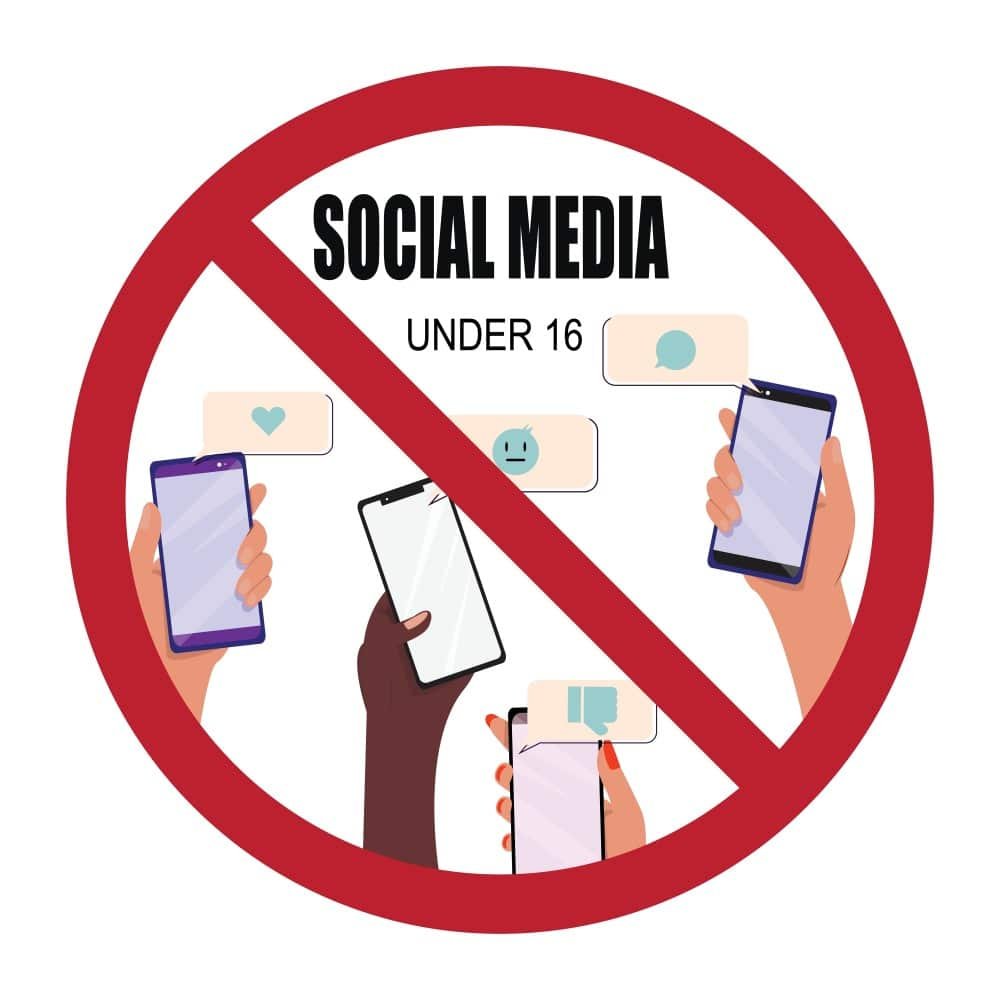
Malaysia has announced plans to prohibit social media access for users under 16 starting in 2026, joining an increasing number of nations implementing strict digital age restrictions. Communications Minister Fahmi Fadzil confirmed the government is studying age restriction mechanisms from Australia and other countries, signaling a coordinated global effort to protect young users from online dangers.

The Malaysian Initiative: Details and Timeline
The Malaysian government aims to implement comprehensive social media restrictions by next year, requiring platforms to prevent users under 16 from creating new accounts. Minister Fahmi emphasized the urgency of protecting youth from cyberbullying, financial scams, and sexual exploitation. The announcement follows growing domestic concern about harmful content, including online gambling and sensitive posts regarding race, religion, and royalty.
Global Context: International Precedents
Malaysia’s decision aligns with similar measures worldwide. Australia will deactivate under-16 social media accounts next month, while European nations including France, Spain, and Italy are collaboratively testing age verification applications. These coordinated efforts reflect mounting international consensus about protecting young users from digital platform risks.
Implementation Strategy and Compliance Mechanisms
The Malaysian approach involves developing robust age verification systems, potentially drawing from European models. The government will likely require social media companies to implement stringent age checks during account creation. Furthermore, platforms with substantial Malaysian user bases must obtain operating licenses under new regulations effective since January, ensuring compliance with national standards.
Industry Response and Platform Accountability
Social media companies face increasing global pressure regarding youth safety. Major platforms including TikTok, Snapchat, Google, and Meta confront numerous lawsuits in the United States alleging their role in exacerbating youth mental health crises. The Malaysian decision adds to this growing regulatory pressure, potentially forcing fundamental changes in how platforms approach young users.
Broader Implications for Digital Governance
The Malaysian decision represents part of a comprehensive digital governance strategy. By requiring large platforms to obtain operating licenses, the government establishes stronger oversight mechanisms. This approach potentially creates a template for other developing nations seeking to assert greater control over international tech companies while protecting citizens.
Child Protection Rationale and Safety Concerns
The ban addresses multiple documented risks facing young social media users. Research consistently shows connections between social media use and increased anxiety, depression, and exposure to harmful content. Additionally, children face particular vulnerability to financial scams, sexual exploitation, and cyberbullying—concerns that motivate the Malaysian government’s proactive stance.
Implementation Challenges and Technical Considerations
Effective enforcement requires sophisticated age verification technology that balances privacy with accuracy. The government must develop systems that prevent circumvention while respecting data protection principles. Learning from European age verification experiments could help Malaysia avoid technical pitfalls while achieving protection objectives.
Future Outlook and Potential Expansion
The Malaysian initiative may inspire similar measures across Southeast Asia and beyond. As evidence accumulates about social media’s impact on youth development, more governments will likely consider restrictive approaches. The success or failure of Malaysia’s implementation will provide valuable lessons for global digital policy development.
A Watershed Moment for Digital Youth Protection
Malaysia’s planned social media ban represents a significant escalation in global efforts to protect young internet users. By joining Australia and European nations in implementing strict age-based restrictions, Malaysia contributes to an emerging international standard for digital child safety. The coming years will reveal whether such measures effectively protect youth while accommodating legitimate digital participation needs.
Question for Readers:
Do you believe complete social media bans for under-16s represent the most effective protection strategy, or should governments focus instead on improved safety features and digital literacy education? Share your perspective below!