



- courses after matric
- career guidance 2025
- intermediate complete options
- future careers Pakistan
- education after matric
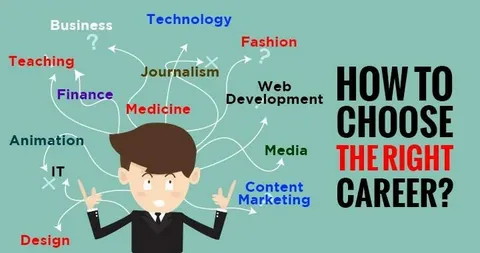
Completing your Matriculation or Intermediate education marks a crucial crossroads in your academic journey. The course you select now will shape your professional future. This comprehensive guide explores the most promising educational pathways for 2025, helping you make an informed decision aligned with your interests, skills, and career aspirations.
Traditional Academic Pathways :-
Pre-Medical Group
The foundation for aspiring healthcare professionals, this pathway opens doors to numerous medical fields.
- Eligibility: Matric with Science subjects
- Duration: 2 years (Intermediate)
- Leading To: MBBS, BDS, Pharmacy, Biotechnology, Nursing
- Top Institutions:Government Colleges, Private Medical Colleges
- 2025 Outlook: Healthcare sector expansion continues creating sustained demand
Pre-Engineering Group
Ideal for students with strong analytical skills and interest in mathematics and physics.
- Eligibility: Matric with Science and Mathematics
- Duration: 2 years (Intermediate)
- Leading To: Electrical, Mechanical, Civil, Software Engineering, Computer Science
- Career Scope:Construction, IT, Manufacturing, Telecommunications
- Growth Potential:High demand in CPEC projects and technology sectors
Commerce Group
Perfect for business-minded students interested in economics, accounting, and finance.
- Eligibility:Matric in any group
- Duration: 2 years (Intermediate)
- Leading To: B.Com, BBA, ACCA, CA, Finance Degrees
- Industry Demand: Banking, Accounting, Corporate Sector, Entrepreneurship
- 2025 Trend:Digital finance and e-commerce creating new opportunities
Computer Science Group
The digital age pathway for technology enthusiasts and problem-solvers.
- Eligibility: Matric with Mathematics
- Duration:2 years (Intermediate)
- Leading To: Software Engineering, AI, Data Science, Cybersecurity
- Job Market:Highest growth sector with global opportunities
- Future Proof: Technology integration across all industries ensures continuous demand
Diploma in Associate Engineering (DAE)
A practical technical qualification offering quick entry into the job market.
- Specializations: Civil, Mechanical, Electrical, Electronics, Chemical
- Duration: 3 years
- Advantage: Can join workforce immediately or continue to engineering degrees
- Employment:Construction firms, industries, government departments
- Salary Range: Entry-level positions offer competitive packages
Digital Marketing Courses
Master the art of online promotion in the rapidly expanding digital economy.
- Core Skills: SEO, Social Media Marketing, Content Creation, Analytics
- Duration:3-12 months
- Career Paths:Digital marketing manager, SEO specialist, content strategist
- Market Need: Every business requires digital presence and marketing
- Freelance Potential: High income through remote work opportunities
Creative Arts & Design
For students with artistic talent and creative thinking abilities.
- Fields:Graphic Design, Animation, Fashion Design, Interior Design
- Duration:2-4 years
- Institutions: National College of Arts, Indus Valley School, COMSATS
- Industry Growth:Media expansion driving demand for creative professionals
Emerging Fields for 2025
1. Artificial Intelligence & Machine Learning
2. Data Science & Analytics
3. Renewable Energy Technologies
Choosing Your Path: Key Considerations
- Assess Your Strengths
Identify subjects where you excel naturally and activities you enjoy. Your innate abilities often indicate suitable career paths.
- Market Research
Investigate job availability, growth trends, and salary expectations for your chosen field in the current economic landscape.
- Financial Planning
Evaluate education costs, scholarship opportunities, and potential return on investment for different courses.
- Skill Gap Analysis
Compare your current capabilities with requirements of your target profession to identify necessary skill development.
- Long-term Vision
Consider where you see yourself in 10-15 years and choose a path that aligns with your life goals and values.
Practical Steps for Decision Making
1. Create a Shortlist :
Select 3-5 courses that match your interests and capabilities
2. Information Gathering :
Research each option thoroughly including curriculum and career outcomes
3. Professional Consultation :
Speak with career counselors and professionals in your fields of interest
4. Institute Visits :
Attend open houses and talk to current students about their experiences
5. Final Evaluation :
Weigh pros and cons of each option before making your final decision
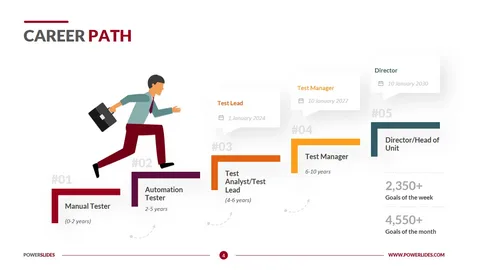
The course you choose after Matric or Intermediate should balance your personal interests with market realities. While traditional degrees remain valuable, emerging fields offer exciting new opportunities. Remember that many successful professionals have changed paths multiple times, so view this decision as the beginning of your journey rather than a permanent commitment.
Question for Readers:
Which field interests you most, and what factors are most important in your decision-making process? Share your thoughts and questions below!